Arabic novels blend reality and fantasy
Summary and headline written by AI from the source article. How we work
Alexandra Shraytekh, a professor at Tufts University, examined how fantasy appears in modern Arabic literature, connecting it to social and political shifts.
Shraytekh argues that fantastical elements in novels often arise during times of crisis, representing a move from certainty to doubt when unfamiliar forces enter everyday life. She identifies this genre as a space for ambiguity, breaking the rules of cause and effect and allowing for the supernatural.
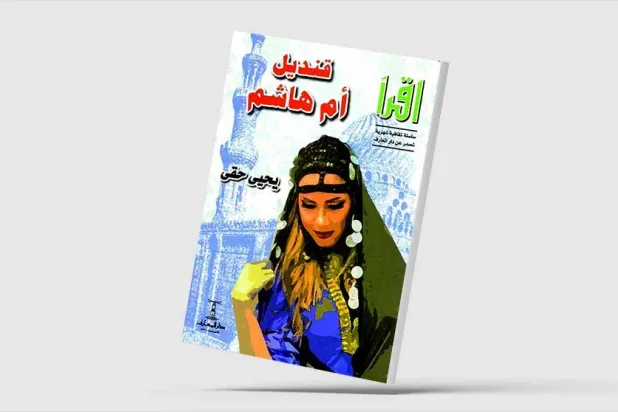
Shraytekh’s research includes works by authors such as Yahya Haqqi, Alifa Rifaat, and Ahmed Saadawi, finding a common thread of tension between the spiritual and material worlds. She specifically focused on Mahmoud Taimour’s novel “ النداء المجهول” (The Call of the Unknown), which follows a traveler in Lebanon encountering a British scholar interested in Sufism. This novel blends a historical setting with mystical elements, representing a fusion of Eastern and Western thought.
The author compiled a bibliography of nearly fifty pages demonstrating extensive knowledge of the subject. Shraytekh concludes that fantasy resists fixed meaning, allowing for multiple interpretations and ultimately transforming the reader. She suggests that fantasy has become a new form of realism in the present day.

