Egyptian ads reflect rise of consumer culture
Summary and headline written by AI from the source article. How we work
Dr. Mohamed Shoman, a professor of media in Egypt, analysed 129 years of advertisements in the Al-Ahram newspaper to understand social and cultural changes in the country.
Beginning with the British occupation in 1882, Egyptian advertising mirrored conflicts between national identity and foreign influence, citizens and authorities, and traditional values and consumer capitalism.
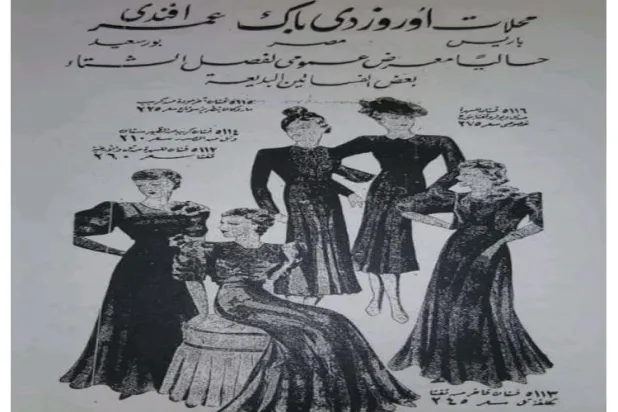
Shoman identified shifts in advertising that coincided with major historical periods including the colonial era, the rise of Egyptian nationalism after 1919, and the rule of Gamal Abdel Nasser. During the colonial period (1882-1918), advertisements promoted a cosmopolitan lifestyle focused on imported goods like agricultural machinery from Britain and luxury items from America, presenting them as symbols of modernity. As Egyptian national movements gained strength after 1919, advertising became divided between colonial promotion and support for Egyptian industry and institutions.
The Nasser era, starting in 1957, saw a shift towards nationalising advertising, aligning it with economic and social development, and promoting Arab nationalism and socialism. Later, in the 1970s, economic liberalization led to a new focus on creating a consumer base interested in investment, tourism, and religion, while the Mubarak era (1980s-2011) witnessed advertising used by financial companies and to promote privatization.
Shoman used analytical models to examine how advertising reflected and shaped Egyptian society over nearly a century and a half.